
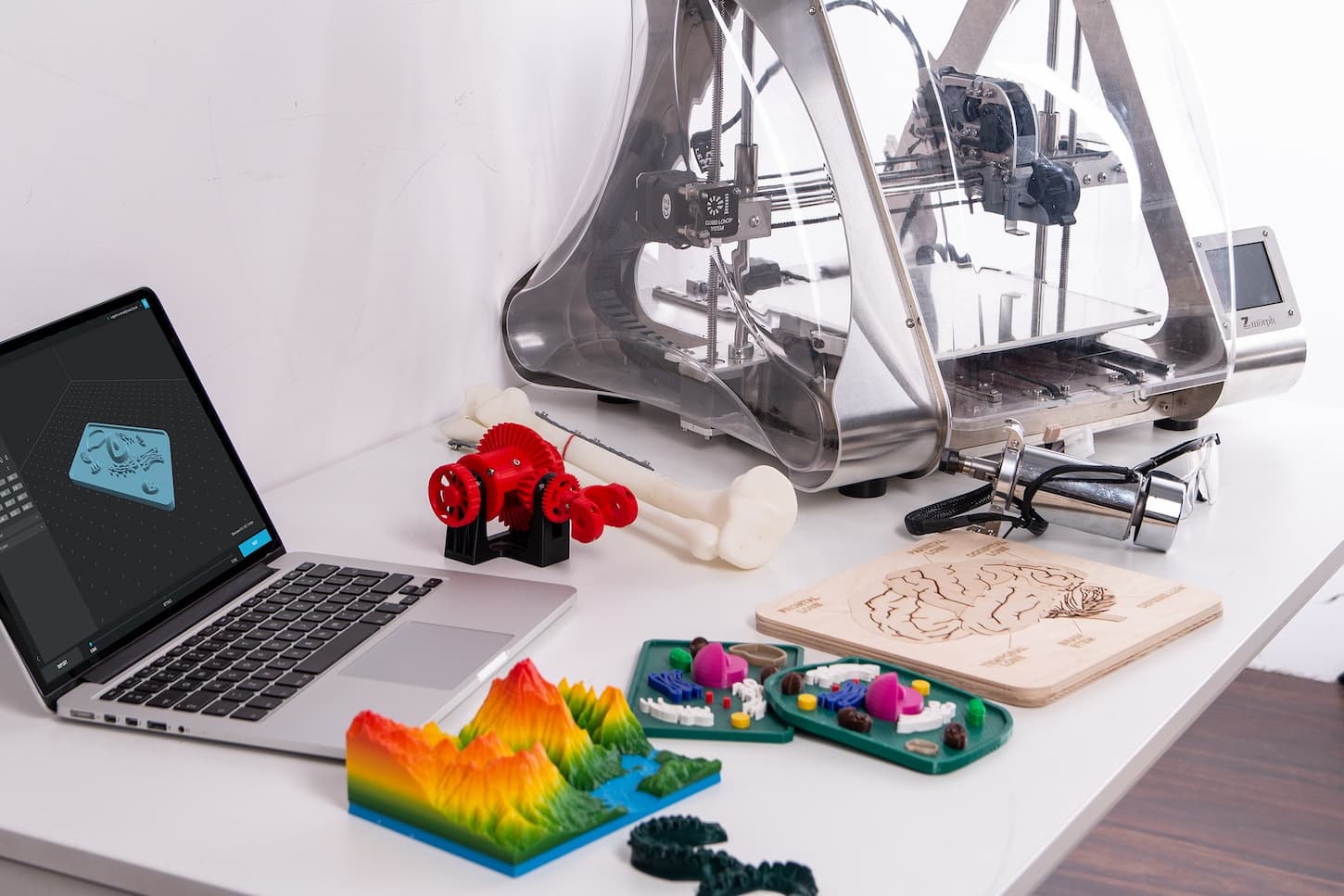


- Notable designs and pavilion 88 shape an immersive experience for visitors
- A Historical Perspective on Exhibition Architecture
- The Evolution of Materials and Techniques
- The Design Philosophies Behind Immersive Spaces
- The Role of Sensory Stimulation
- The Legacy of The Pavilion 88 and its Influence
- Analyzing the Architectural Style and Innovation
- Contemporary Applications of Immersive Design Principles
- Looking Ahead: The Future of Experiential Architecture
Notable designs and pavilion 88 shape an immersive experience for visitors
The architectural landscape is dotted with structures designed not just for utility, but for experience. Spaces that evoke emotion, inspire creativity, and foster a sense of community. Among these, certain designs stand out, becoming cultural touchstones and testaments to innovative thinking. The pavilion 88, a significant structure in its time, represents this very idea; an exploration of form, function, and the potential for architecture to create immersive environments. Its legacy continues to inform contemporary design approaches, demonstrating the lasting impact of thoughtful spatial planning.
These temporary or permanent structures, often created for exhibitions or specific events, serve as captivating focal points, drawing visitors into a world beyond the ordinary. They are carefully crafted to encapsulate a specific theme, evoke a particular emotion, or showcase groundbreaking architectural concepts. The success of such a design lies not only in its aesthetic appeal but also in its ability to seamlessly integrate into its surroundings while maintaining a unique identity. The pavilion 88, with its distinctive character, embodies these principles, providing a compelling case study for modern architectural exploration.
A Historical Perspective on Exhibition Architecture
The history of exhibition architecture is intimately tied to periods of significant social, technological, and artistic advancement. From the Crystal Palace built for the Great Exhibition of 1851, a beacon of Victorian innovation, to the bold designs of the 20th-century World’s Fairs, these structures have consistently pushed the boundaries of engineering and aesthetics. They’ve served as platforms to demonstrate national pride, showcase industrial capabilities, and introduce groundbreaking ideas to a global audience. These large-scale events demanded architectural solutions that could accommodate massive crowds while simultaneously presenting a visually stunning and symbolically resonant experience. The architecture wasn't backdrop; it was integral to the message.
The Evolution of Materials and Techniques
Early exhibition halls relied heavily on materials like cast iron and glass, allowing for expansive, light-filled spaces. The 20th century saw the introduction of reinforced concrete and steel, enabling even more ambitious and complex designs. The progressive adoption of new materials significantly impacted the aesthetic and structural possibilities available to architects. Lightweight materials, such as fabric and tensile structures, became increasingly popular in the latter half of the century, offering greater flexibility and reducing construction time. This focus on innovative construction allowed architects to prioritize design concepts which were previously unattainable.
| Cast Iron & Glass | 19th Century | Transparency, large spans, decorative detailing | Crystal Palace (1851) |
| Reinforced Concrete & Steel | 20th Century | Strength, durability, complex forms | Various World’s Fair Pavilions |
| Fabric & Tensile Structures | Late 20th/21st Century | Lightweight, flexible, sustainable | Modern exhibition structures |
The impact of these materials isn’t solely structural. They fundamentally altered the experience of being within an exhibition space. The airy quality of glass and iron, the imposing solidity of concrete, and the ethereal lightness of fabric all contribute to the emotional response a visitor has when navigating these designed environments.
The Design Philosophies Behind Immersive Spaces
Creating truly immersive spaces requires a holistic approach that considers not only the physical structure but also the interplay of light, sound, and interactive elements. The goal is to engage multiple senses simultaneously, drawing visitors into a cohesive and captivating experience. Effective immersive design moves beyond simply displaying information; it allows visitors to feel connected to the subject matter. This can be achieved through careful manipulation of spatial proportions, the use of evocative materials, and the integration of digital technologies. The core principle is to create a sense of presence, making the visitor feel as though they're an integral part of the environment.
The Role of Sensory Stimulation
Sensory stimulation plays a crucial role in creating immersive experiences. The strategic use of lighting can dramatically alter the mood and atmosphere of a space, while carefully curated soundscapes can enhance emotional impact. Incorporating tactile elements, such as textured surfaces and interactive displays, adds another layer of engagement. Furthermore, the use of scent can evoke memories and associations, further deepening the immersive quality. The key is to balance these sensory inputs effectively, avoiding overstimulation that can detract from the overall experience. Successful implementation relies on an understanding of how each sense contributes to perception and how they interact with each other.
- Visual elements: Lighting, color, projections, displays.
- Auditory elements: Soundscapes, music, narration, interactive audio.
- Tactile elements: Textured surfaces, interactive displays, physical models.
- Olfactory elements: Scents and aromas related to the theme.
Understanding user psychology is extremely important when designing these elements. Knowing how people respond to different stimuli and designing around those psychological triggers is essential to the success of an immersive experience. The pavilion 88, though originating in a different era, likely employed similar principles of sensory engagement, albeit with the technologies available at the time.
The Legacy of The Pavilion 88 and its Influence
The intention behind the pavilion 88 was to present a particular vision of the future, its architecture reflecting the optimism and technological advancements of the era. It stood as a symbol of progress and innovation, inviting visitors to contemplate the possibilities of what lay ahead. Though the specifics of the pavilion’s design may have faded with time, the fundamental principles that guided its creation—a commitment to immersive experiences and a willingness to embrace cutting-edge technologies—continue to resonate with contemporary architects and designers. It served as a learning experience for those involved with its creation and a source of inspiration for future designs.
Analyzing the Architectural Style and Innovation
The architectural style of the pavilion, informed by the aesthetic trends of the time, likely incorporated elements of postmodernism and high-tech architecture. This blend would have resulted in a visually striking design that was both functional and expressive. The use of innovative materials and construction techniques would have been central to its success, pushing the boundaries of what was previously possible. Exploring the original design plans and documentation, if available, could provide valuable insights into the creative process and the technical challenges overcome. The emphasis on creating a dynamic and engaging space would undoubtedly have influenced the way visitors interacted with the structure and the ideas it represented.
- Research archival plans and photographs.
- Analyze the use of materials and construction techniques.
- Identify key stylistic influences.
- Assess the visitor experience based on historical accounts.
A detailed examination of its design, coupled with an understanding of the historical context, will reveal the enduring significance of this remarkable structure.
Contemporary Applications of Immersive Design Principles
Today, the principles of immersive design are being applied in a wide range of contexts, from museums and art installations to retail spaces and theme parks. The increasing availability of virtual and augmented reality technologies has opened up even more possibilities for creating truly transformative experiences. Museums are now incorporating interactive exhibits that allow visitors to explore artifacts and historical events in a more engaging way. Retailers are using virtual reality to allow customers to preview products in their own homes. And theme parks are pushing the boundaries of storytelling through immersive environments that blur the line between reality and fantasy. These applications demonstrate the enduring appeal of creating spaces that captivate, inspire, and educate.
The future of immersive design lies in the seamless integration of physical and digital worlds. We can expect to see even more sophisticated use of augmented reality, artificial intelligence, and haptic technology to create experiences that are tailored to individual preferences and needs. The goal will be to create spaces that are not only aesthetically pleasing but also deeply meaningful and personally relevant. The lessons learned from earlier designs, such as the pavilion 88, will continue to inform these advancements, reminding us of the importance of creating spaces that connect us to something larger than ourselves.
Looking Ahead: The Future of Experiential Architecture
The evolution of architectural design is inextricably linked to our ever-changing understanding of human experience. Moving forward, we can anticipate a greater emphasis on biophilic design, which seeks to connect people with nature through the incorporation of natural materials and patterns. There will likely be increased focus on sustainable and regenerative building practices, minimizing environmental impact and promoting ecological balance. Smart buildings, equipped with advanced sensor technology and intelligent automation systems, will enhance comfort, efficiency, and accessibility. The integration of artificial intelligence will allow structures to adapt dynamically to the needs of their occupants, creating personalized and responsive environments.
Ultimately, the success of future architectural endeavors will depend on our ability to create spaces that are not only functional and aesthetically pleasing but also emotionally resonant and culturally significant. These structures should inspire creativity, foster community, and contribute to a more sustainable and equitable world. The spirit of innovation that drove the creation of iconic designs like the pavilion 88 must continue to guide us as we shape the built environment of tomorrow—a built environment that truly enhances the human condition through thoughtful and immersive experiences.
