

- Essential journeys from architecture to installation with pavilion88 expertly realized
- The Evolution of Spatial Design and Fabrication Techniques
- Material Selection and Sustainability
- Logistical Challenges in Large-Scale Installations
- The Role of Project Management Software
- Integrating Technology into Experiential Spaces
- The Future of Immersive Environments
- Beyond the Build: Maintenance and Long-Term Value
Essential journeys from architecture to installation with pavilion88 expertly realized
The realm of architectural visualization and physical space installation has undergone a significant transformation in recent years, with companies like pavilion88 at the forefront of this evolution. Offering a comprehensive suite of services encompassing design development, fabrication, and on-site installation, these specialists bridge the gap between digital concepts and tangible realities. This is particularly crucial in the experiential marketing and retail sectors, where impactful environments are essential for brand engagement and customer experience. The demand for unique and immersive spaces continues to grow, pushing the boundaries of what's achievable in temporary or permanent installations.
Success in this field isn't merely about technical proficiency; it requires a deep understanding of spatial design, material science, project management, and logistical coordination. A robust process, from initial concept to final execution, is paramount. This includes meticulous planning, collaborative communication with clients, and a commitment to delivering projects on time and within budget. The ability to navigate complex architectural drawings, interpret design intent, and translate it into a physical build is a cornerstone of their expertise. Modern installations frequently incorporate complex technologies, demanding adaptable skills and problem-solving capabilities.
The Evolution of Spatial Design and Fabrication Techniques
The approach to spatial design has dramatically shifted over the past decade, fueled by advancements in digital modeling and fabrication technologies. Traditionally, creating custom environments involved labor-intensive manual processes. Now, computer-aided design (CAD) and building information modeling (BIM) empower designers to visualize and refine concepts with unprecedented precision. This digital foundation streamlines the fabrication process, allowing for greater accuracy and efficiency. pavilion88, and similar firms, capitalize on these technologies to offer clients innovative and cost-effective solutions.
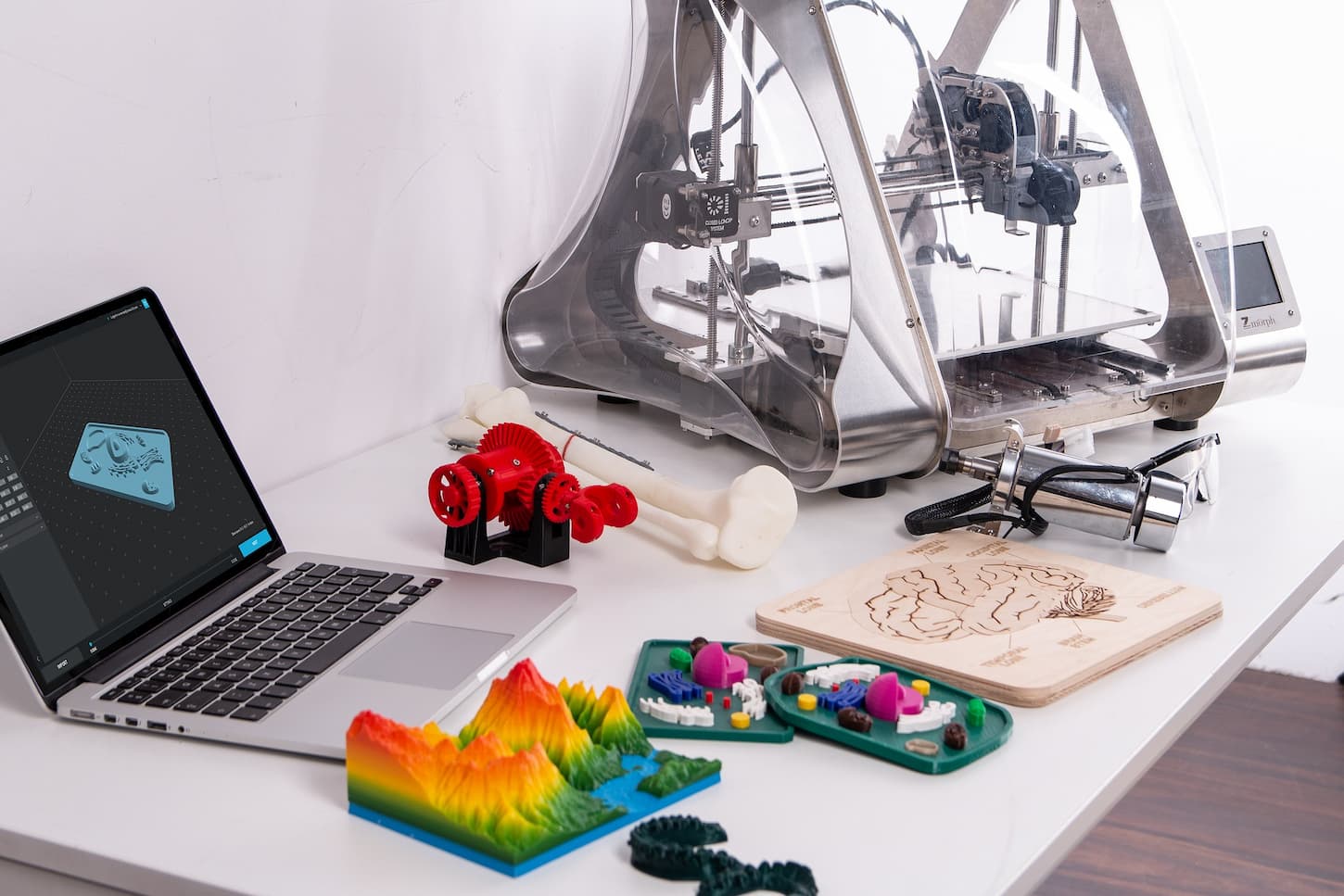
The integration of CNC machining, laser cutting, and 3D printing has revolutionized material possibilities. Designers are no longer constrained by the limitations of traditional manufacturing techniques. Complex geometries and custom components can be produced with relative ease, opening up new avenues for creative expression. This is particularly relevant for creating branded experiences, where unique and memorable design elements are essential. The ability to rapidly prototype and iterate on designs allows for a more agile and responsive approach to project development, proving crucial for meeting tight deadlines.
Material Selection and Sustainability
Choosing the right materials is fundamental to the success of any spatial installation. Considerations extend beyond aesthetics and structural integrity to encompass sustainability and environmental impact. Increasingly, clients are prioritizing eco-friendly materials and construction practices. This includes sourcing locally, using recycled or renewable resources, and minimizing waste throughout the project lifecycle. The selection process must also account for factors such as durability, fire resistance, and ease of maintenance. A thoughtful approach to material selection not only enhances the visual appeal of the space but also aligns with a brand's commitment to environmental responsibility.
The use of innovative materials like lightweight composites, translucent polymers, and sustainable wood products is becoming more commonplace. These materials offer a compelling combination of performance, aesthetics, and environmental benefits. Furthermore, advancements in surface coatings and finishes provide opportunities to enhance the texture, color, and longevity of installed elements. Careful consideration of these factors ensures the longevity and visual appeal of the final installation.
| Material | Pros | Cons | Typical Applications |
|---|---|---|---|
| Acrylic | Lightweight, versatile, good optical clarity | Prone to scratching, can be brittle | Signage, displays, light diffusers |
| Aluminum | Strong, lightweight, corrosion-resistant | Higher cost, can dent | Frameworks, structural supports, signage |
| Wood (Sustainable) | Renewable, aesthetically pleasing, warm | Requires maintenance, susceptible to moisture | Paneling, flooring, decorative elements |
| PVC | Durable, water-resistant, cost-effective | Not environmentally friendly, can emit fumes | Displays, signage, outdoor structures |
The rise of conscious consumerism means that increasingly, brands are evaluated not just on their products, but on their values. Utilizing sustainable materials demonstrates a commitment to social and environmental responsibility, resonating positively with target audiences.
Logistical Challenges in Large-Scale Installations
Successfully executing a large-scale spatial installation involves overcoming a complex web of logistical challenges. From securing permits and coordinating transportation to managing on-site construction and ensuring worker safety, meticulous planning is paramount. These projects often require close collaboration with multiple stakeholders, including architects, designers, contractors, and venue management teams. Effective communication and proactive problem-solving are crucial for keeping the project on track. pavilion88's expertise lies in navigating these complexities and delivering seamless execution.
Transportation of materials and fabricated components can be a significant undertaking, particularly for international projects. Careful consideration must be given to packaging, shipping methods, and customs regulations. On-site construction requires a well-defined schedule, skilled labor, and adherence to strict safety protocols. Managing potential disruptions, such as weather delays or unforeseen site conditions, requires flexibility and resourcefulness. A comprehensive risk assessment and contingency plan are essential for mitigating potential issues.
The Role of Project Management Software
Modern project management software plays a vital role in streamlining workflows and enhancing collaboration. These tools facilitate tasks such as scheduling, budgeting, resource allocation, and document management. Real-time tracking of progress, communication features, and automated notifications ensure that all stakeholders are kept informed. This centralized approach minimizes misunderstandings and reduces the likelihood of errors. The adoption of cloud-based solutions enables remote access to project information, fostering greater flexibility and responsiveness.
Integration with CAD and BIM software allows for seamless data transfer and improved coordination between design and construction teams. This reduces the risk of discrepancies and ensures that the final installation accurately reflects the original design intent. Software also aids in cost control by enabling accurate tracking of expenses and identifying potential cost overruns.
- Detailed Site Surveys: Critical for accurate measurements and identifying potential obstructions.
- Permitting & Approvals: Navigating local regulations and securing necessary permits.
- Transportation Logistics: Optimizing routes and ensuring safe delivery of materials.
- On-Site Supervision: Ensuring quality control and adherence to safety standards.
- Post-Installation Maintenance: Providing ongoing support and repairs.
Successfully managing the logistics of a large-scale installation demands a proactive and organized approach. Investing in the right technology and assembling a skilled project team are key to achieving a smooth and efficient execution.
Integrating Technology into Experiential Spaces
The integration of technology is transforming the way people interact with physical spaces. Interactive displays, projection mapping, augmented reality (AR), and virtual reality (VR) are just a few of the technologies being used to create immersive and engaging experiences. These technologies allow brands to connect with customers on a deeper level, conveying their message in innovative and memorable ways. Companies are increasingly looking for ways to seamlessly blend the physical and digital worlds to enhance the visitor experience.
Interactive installations can gather valuable data about visitor behavior, providing insights that can be used to optimize future designs and marketing campaigns. Personalized experiences, driven by data analytics, can create a sense of connection and loyalty. The challenge lies in integrating these technologies in a way that is both technically sophisticated and aesthetically pleasing. The goal is to enhance the space, not distract from it. Proper implementation ensures a fluid and engaging experience.
The Future of Immersive Environments
The future of experiential spaces will be defined by even greater levels of personalization, interactivity, and technological integration. We can expect to see increased use of artificial intelligence (AI) to create dynamic and responsive environments that adapt to the needs of individual visitors. The convergence of physical and digital realities will continue to blur the lines between the two, creating truly immersive and transformative experiences. Holographic projections and advanced sensor technologies will enable even more realistic and interactive installations.
The development of wearable technology, such as smart glasses and haptic suits, will further enhance the immersive experience, allowing visitors to interact with the environment in new and intuitive ways. The ability to create customized sensory experiences, tailored to individual preferences, will become increasingly important. Innovations in sustainable technology will also play a key role, enabling the creation of environmentally responsible and energy-efficient installations. The field of spatial design is poised for continued growth and innovation, driven by advances in technology and a growing demand for engaging and memorable experiences.
- Define Clear Objectives: What are the goals of the installation?
- Develop a Detailed Design: Create accurate drawings and specifications.
- Secure Necessary Permits: Ensure compliance with local regulations.
- Manage Logistics Effectively: Coordinate transportation and on-site construction.
- Test Thoroughly: Verify functionality and safety before launch.
Effective planning and meticulous execution are vital for delivering successful installations. Remaining adaptable and embracing technological advancements will ensure continued relevance in this dynamic field.
Beyond the Build: Maintenance and Long-Term Value
The completion of an installation isn’t the end of the process; ongoing maintenance and care are vital for preserving its aesthetic appeal and functionality. Regular inspections, cleaning, and repairs are essential for preventing deterioration and ensuring the longevity of the space. A proactive maintenance plan can significantly reduce the risk of costly repairs down the line. Understanding the materials used, their specific care requirements, and establishing a schedule for preventative measures is paramount.
Consideration should also be given to the long-term usability of the space. Is it easily adaptable to future needs or changing brand messaging? Designing for flexibility and modularity can extend the lifespan of the installation and maximize its return on investment. Regularly evaluating the performance of the installation and gathering feedback from visitors can inform future improvements and enhancements. Effective maintenance ensures the continued value and impact of the initial investment.
